






จุฬาฯ ผนึกกำลัง UR ญี่ปุ่น ประยุกต์ใช้โมเดลความสำเร็จจากญี่ปุ่น ปั้น ‘เมืองยืดหยุ่น
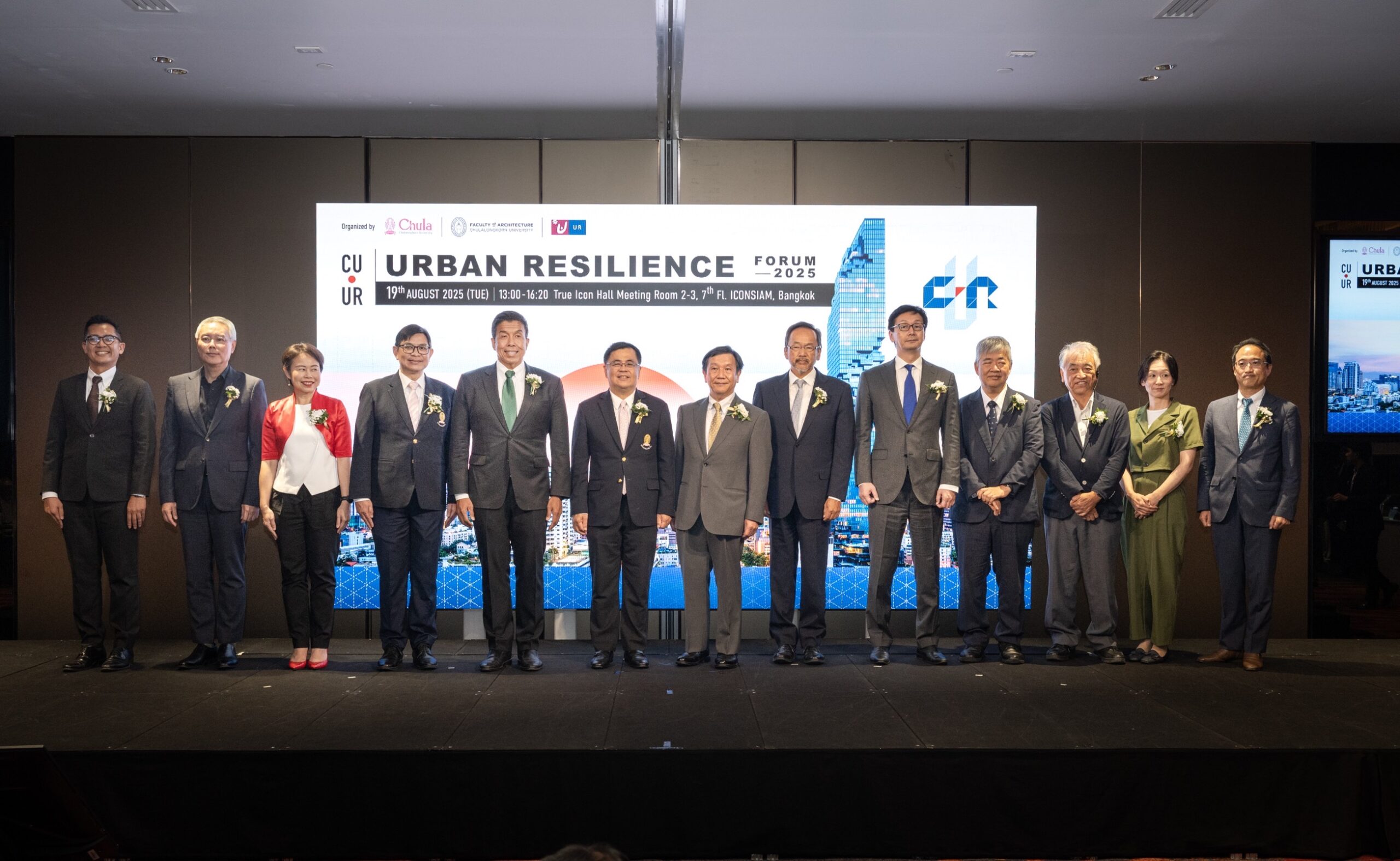
จุฬาฯ ผนึกกำลัง UR ญี่ปุ่น ประยุกต์ใช้โมเดลความสำเร็จจากญี่ปุ่น ปั้น ‘เมืองยืดหยุ่น’ ต้นแบบเพื่อรับมือสังคมสูงวัย ภัยพิบัติและความท้าทายทางเศรษฐกิจ
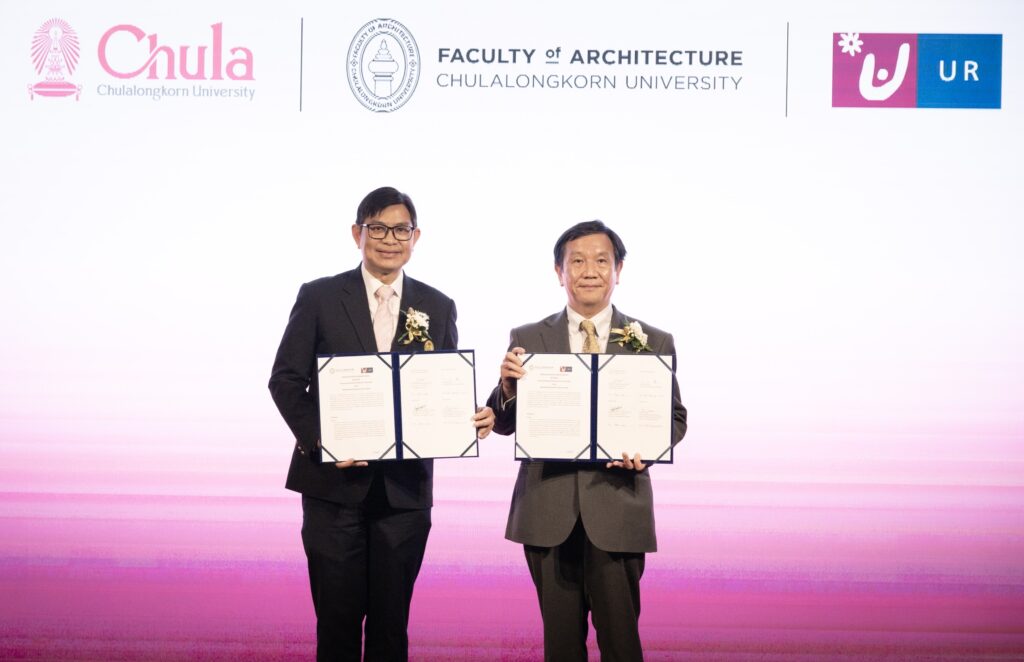
จุฬาฯ ร่วมมือญี่ปุ่นหาแนวทางรับมือความท้าทายของเมืองแห่งอนาคตคณะสถาปัตยกรรมศาสตร์ จุฬาลงกรณ์มหาวิทยาลัย ได้จับมือกับ องค์การพัฒนาและฟื้นฟูเมือง (Urban Renaissance Agency: UR) ประเทศญี่ปุ่น จัดงาน “Urban Resilience Forum 2025” ขึ้นเมื่อวันที่ 19 สิงหาคม 2568 ณ TRUE ICON HALL ศูนย์การค้าไอคอนสยาม โดยภายในงานได้มีการลงนามบันทึกความเข้าใจ (MOU) เพื่อแลกเปลี่ยนองค์ความรู้และร่วมกันออกแบบแนวทางการพัฒนาเมืองของไทยให้มีความยืดหยุ่นและยั่งยืนความร่วมมือครั้งนี้เกิดขึ้นท่ามกลางสถานการณ์ที่ประเทศไทยกำลังเผชิญความท้าทายรอบด้าน ไม่ว่าจะเป็นการก้าวเข้าสู่สังคมสูงวัย การแข่งขันทางเศรษฐกิจและภัยจากสภาพภูมิอากาศที่รุนแรงขึ้น ขณะเดียวกันการขยายตัวของเมืองอย่างไร้ทิศทาง โดยเฉพาะในกรุงเทพฯ และปริมณฑล ได้นำมาซึ่งปัญหาซับซ้อน ทั้งรถติด ฝุ่น PM2.5 น้ำท่วม ตลอดจนความเปราะบางต่อภัยธรรมชาติที่เห็นได้จากเหตุการณ์แผ่นดินไหวเมื่อวันที่ 28 มีนาคม 2568 ซึ่งสะท้อนให้เห็นถึงความจำเป็นเร่งด่วนในการพัฒนา
ขับเคลื่อนเมืองยืดหยุ่น—พลิกเมืองไทยให้พร้อมรับมืออนาคต
การพัฒนาเมืองสู่ความยืดหยุ่นเป็นกระบวนการที่มีความซับซ้อน การแลกเปลี่ยนองค์ความรู้กับ “องค์การพัฒนาและฟื้นฟูเมือง (Urban Renaissance Agency: UR)” ซึ่งเป็นองค์กรภาครัฐที่มีบทบาทสำคัญในการพัฒนาและฟื้นฟูเมืองในหลายภูมิภาคของญี่ปุ่นมายาวนาน จะช่วยเปิดโอกาสให้ไทยได้นำกรณีศึกษาที่ประสบความสำเร็จของญี่ปุ่นมาประยุกต์ใช้กับเมืองไทย
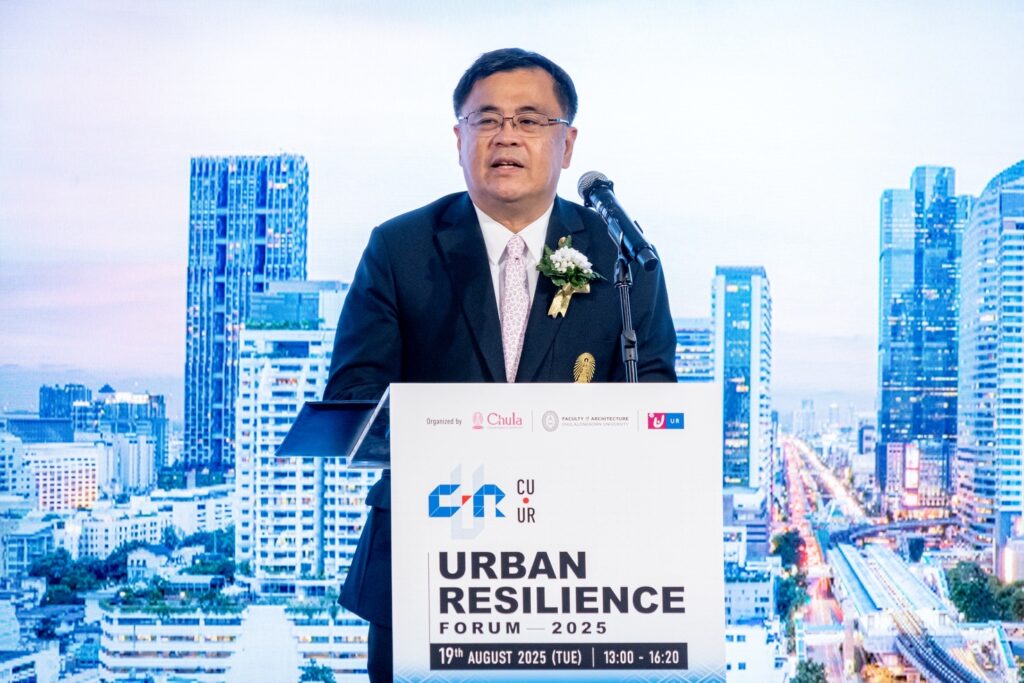
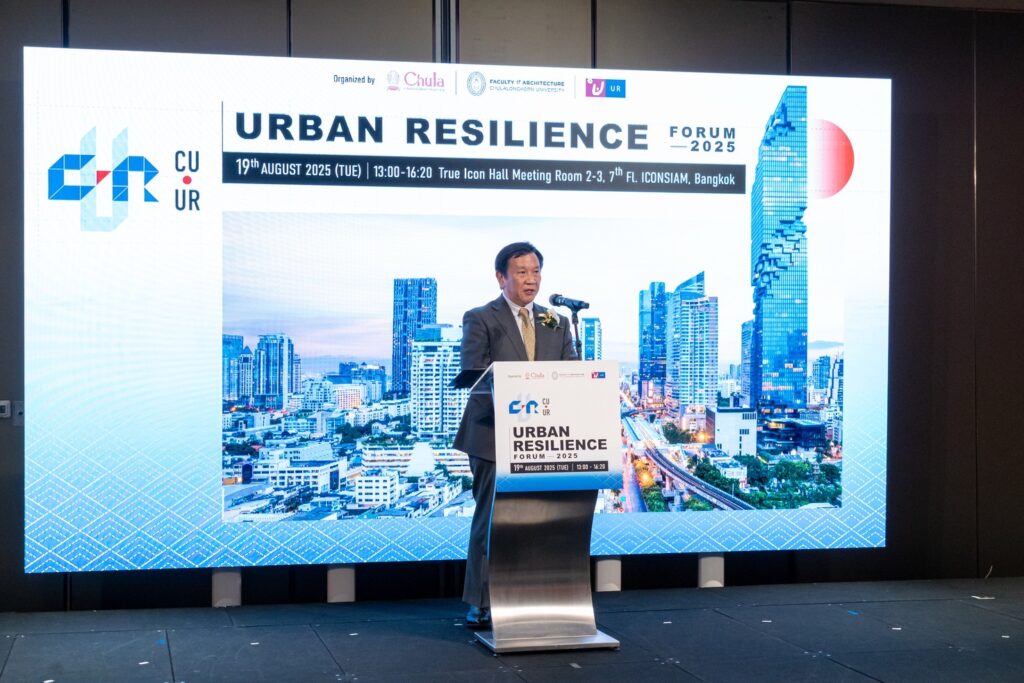
นายอิชิดะ มาซารุ ผู้ว่าการ UR กล่าวถึงประสบการณ์ของ UR และความร่วมมือกับจุฬาฯ ว่า “UR มีประสบการณ์การพัฒนาเมืองในประเทศญี่ปุ่นมามากกว่า 500 โครงการ พัฒนาที่อยู่อาศัยสำหรับประชาชนมากกว่า 1.5 ล้านหน่วย รวมถึงการพัฒนา TOD (Transit Oriented Development) และการฟื้นฟูหลังภัยพิบัติอย่างกว้างขวาง และนี่คือครั้งแรกที่เราร่วมมือกับมหาวิทยาลัยต่างประเทศอย่างจุฬาฯ เรามุ่งหวังที่จะนำความรู้และบทเรียนจากญี่ปุ่นมาประยุกต์ใช้ในประเทศไทย เพื่อช่วยสร้างเมืองที่ยืดหยุ่นและยั่งยืนสำหรับอนาคต”
บทเรียนจากญี่ปุ่นสู่กรุงเทพฯ
ศ. ดร.วิเลิศ ภูริวัชร อธิการบดีจุฬาฯ กล่าวในพิธีเปิด“การพัฒนาเมืองในวันนี้ ต้องเป็นการพัฒนาทางกายภาพที่จะช่วยส่งผลต่อคุณภาพชีวิตของคนที่อยู่ในเมือง เพื่อทำให้คนที่ใช้ชีวิตอยู่ในเมืองนั้น ๆ มีความสุขหากเรามีการวางแผนพัฒนาเมืองอย่างเป็นระบบ สร้างความร่วมมือกับทุกภาคส่วนก็จะช่วยสร้างเมืองที่ทำให้ประชาชนอยู่ดีมีความสุข มีคุณภาพชีวิต และแข่งขันได้ในระดับโลกได้ ซึ่งความร่วมมือครั้งนี้คือจุดเริ่มต้นสำคัญที่จะพัฒนาองค์ความรู้และเทคโนโลยีร่วมกันระหว่างไทยและญี่ปุ่น”
ด้าน รศ. ดร.ชัชชาติ สิทธิพันธุ์ ผู้ว่าราชการกรุงเทพมหานคร ได้ให้มุมมองเกี่ยวกับการสร้างเมืองที่พร้อมรับมือต่อการเปลี่ยนแปลงว่า ในยุคที่โลกมีความซับซ้อนสูง เมืองต้องเผชิญกับความท้าทายหลายมิติพร้อมกัน ไม่ว่าจะเป็นภัยธรรมชาติอย่างน้ำท่วมและแผ่นดินไหว วิกฤตสาธารณสุข ความผันผวนทางเศรษฐกิจหรือการเปลี่ยนแปลงสู่สังคมสูงวัย ซึ่งปัญหาเหล่านี้ทำให้เมืองเปราะบางและต้องการแนวทางการรับมือที่“ยืดหยุ่น“ ท่านได้เน้นย้ำว่า หัวใจสำคัญของการสร้างเมืองที่ยืดหยุ่นและยั่งยืนคือความร่วมมือที่เข้มแข็งจากทุกภาคส่วน ทั้งภาครัฐ เอกชน ประชาสังคม และสถาบันการศึกษา โดยเหตุการณ์แผ่นดินไหวครั้งล่าสุดได้แสดงให้เห็นถึงพลังของความร่วมมือในการแก้ปัญหาร่วมกันอย่างมีประสิทธิภาพ ดังนั้น การผนึกกำลังในครั้งนี้จึงเป็นอีกหนึ่งก้าวสำคัญที่จะช่วยสร้างอนาคตของกรุงเทพฯ ให้เป็นเมืองที่ปลอดภัยและน่าอยู่สำหรับทุกคนอย่างยั่งยืน
ด้าน โมริ ทาดาฮิโกะ รองผู้อำนวยการ UR กล่าวเสริมว่า “จุดแข็งของ UR คือ การทำให้โครงการพัฒนาเมืองเกิดขึ้นได้จริง ผ่านการวางแผนเชิงกลยุทธ์เพื่อตอบโจทย์ทั้งนโยบายของรัฐ ความต้องการของภาคเอกชน และการสร้างประโยชน์ต่อสาธารณะ เราพัฒนาทั้งกระบวนทางกฎหมาย การออกแบบพื้นที่ โมเดลการลงทุน และการประสานความร่วมมือจากผู้มีส่วนเกี่ยวข้องที่หลากหลาย เราเชื่อว่าประสบการณ์เหล่านี้จะช่วยต่อยอดความร่วมมือกับประเทศไทยในการสร้างเมืองที่ยืดหยุ่นและยั่งยืน”
การพัฒนาที่อยู่อาศัยเพื่อคนทั้งมวล TOD และ Digital Twin: เครื่องมือยกระดับเมืองในประเทศไทย
ผศ. ดร. ณัฐพงศ์ พันธ์น้อย รองผู้อำนวยการศูนย์เชี่ยวชาญเฉพาะทางด้านการออกแบบเพื่อสังคม (Social Design Lab) และผู้ช่วยคณบดีคณะสถาปัตย์ จุฬาฯอธิบายถึงความร่วมมือระหว่างขั้นแรกระหว่าง จุฬาฯ และ UR ว่า “เราได้รับการสนับสนุนทุนวิจัยจากหน่วยบริหารและจัดการทุนด้านการพัฒนาระดับพื้นที่ (บพท.) ในการศึกษากลไกการพัฒนาเชิงพื้นที่เพื่อจำนวนที่อยู่อาศัยราคาย่อมเยาในพื้นที่ใจกลางเมืองต่างในแต่ละภูมิภาคของไทยทั้งในด้านการออกแบบ โมเดลการลงทุน และกระบวนการทางกฎหมาย เพื่อร่วมกับภาคีในการขับเคลื่อนให้เกิดการดำเนินการอย่างเป็นรูปธรรมในอนาคต
ผศ. สรายุทธ ทรัพย์สุข คณบดีคณะสถาปัตย์ จุฬาฯกล่าวย้ำว่า กรุงเทพฯ และปริมณฑลเผชิญปัญหาการขยายตัวของเมืองที่รุกพื้นที่เกษตรกรรม เสี่ยงน้ำท่วม และสร้างภาระการเดินทาง จึงจำเป็นต้องเร่งพัฒนาย่านรอบระบบขนส่งมวลชน ตามแนวคิด (TOD) เพื่อให้ประชาชนเข้าถึงที่อยู่อาศัย แหล่งงาน และบริการสาธารณะได้สะดวก “ประเทศไทยอาจยังไม่มีความชำนาญในการพัฒนาเมืองให้เกิดผลอย่างเป็นรูปธรรมในขณะที่ประเทศญี่ปุ่นมีกลไกการพัฒนาเมือง ตลอดจนองค์ความรู้และองค์กรในการบริหารจัดการจนเกิดผลสำเร็จในหลายรูปแบบ ดังนั้นความร่วมมือระหว่างจุฬาฯและ UR จึงคาดหวังว่าจะทำให้คณะสถาปัตยกรรมศาสตร์ จุฬาฯ สามารถนำความรู้จาก UR มาปรับใช้ให้ภาคส่วนต่าง ๆ ของไทยเกิดความรู้ความเข้าใจและมีเป้าหมายต่อการพัฒนาเมืองที่ตรงกัน เพื่อแก้ไขปัญหาของเมือง สามารถพัฒนาการใช้ที่ดินได้อย่างเต็มศักยภาพ ผู้คนในเมืองเกิดความเป็นอยู่ที่ดีขึ้นมีความสะดวกในการเดินทางมากยิ่งขึ้น ซึ่งจะนำไปสู่การพัฒนาเศรษฐกิจของประเทศได้”
ความร่วมมือเพื่ออนาคต
ตลอดการประชุมได้สะท้อนเสียงที่เป็นเอกฉันท์จากทั้งนักวิชาการ ภาคเอกชน และภาคประชาสังคมว่า การสร้าง‘เมืองยืดหยุ่น’ ที่แท้จริงนั้นจำเป็นต้องอาศัยความร่วมมือแบบบูรณาการทั้งในระดับข้ามพรมแดนและข้ามภาคส่วน ดังนั้น การผนึกกำลังระหว่างจุฬาฯ และ UR (ญี่ปุ่น)ในครั้งนี้ จึงไม่ใช่เพียงการจัดประชุมเชิงวิชาการ แต่เป็นการวางรากฐานและสร้างฉันทามติร่วมกันเพื่อลงมือปฏิบัติจริงในการสร้างเมืองต้นแบบที่ยั่งยืน โดยมีเป้าหมายเพื่อต่อยอดองค์ความรู้ไปสู่เมืองอื่น ๆ ทั่วประเทศพร้อมผลักดันให้ ‘ความยืดหยุ่น’ กลายเป็นคุณสมบัติพื้นฐานของเมืองไทย ที่ซึ่งประชาชนทุกคนจะได้อยู่ในสภาพแวดล้อมที่ปลอดภัย สะดวกสบาย สวยงาม และเปี่ยมด้วยโอกาสทางเศรษฐกิจและคุณภาพชีวิต
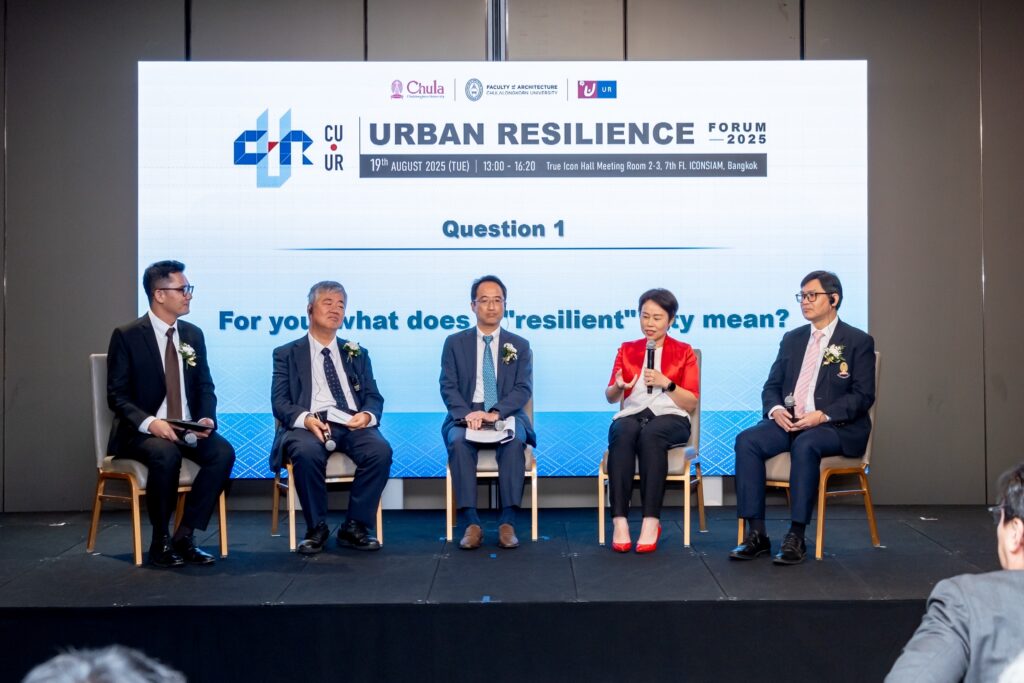
Chula and Japan’s UR Join Forces, Applying Successful Japanese Models to Create a Prototype ‘Resilient City’ to Address an Aging Society, Disasters, and Economic Challenges
Chula and Japan Collaborate to Address the Challenges of Future Cities
To find ways to cope with the challenges of future cities, the Faculty of Architecture at Chulalongkorn University has partnered with the Urban Renaissance Agency (UR) of Japan to organize the “Urban Resilience Forum 2025.” The event was held on August 19, 2025, at TRUE ICON HALL, ICONSIAM. A Memorandum of Understanding (MOU) was signed during the event to exchange knowledge and collaboratively design development approaches to make Thai cities more resilient and sustainable.
This partnership comes at a time when Thailand is facing a multitude of challenges, including its transition into an aging society, economic competition, and increasingly severe climate-related threats. Simultaneously, uncontrolled urban expansion, particularly in Bangkok and its metropolitan areas, has led to complex problems such as traffic congestion, PM2.5 pollution, flooding, and vulnerability to natural disasters, as highlighted by the earthquake on March 28, 2025,
Driving Resilient Cities—Preparing Thailand for the Future
The development of a resilient city is a complex process. The knowledge exchange with the Urban Renaissance Agency (UR), a Japanese government organization with a long-standing role in developing and revitalizing cities across Japan, will provide Thailand with the opportunity to apply successful case studies to its own cities.
Mr. Masaru Ishida, President of UR, spoke about UR’s experience and its cooperation with Chulalongkorn University: “UR has carried out more than 500 urban development projects in Japan, developing more than 1.5 million housing units for citizens, as well as engaging extensively in Transit-Oriented Development (TOD) and post-disaster reconstruction. This is the first time we are collaborating with an international university such as Chulalongkorn. We aim to adapt Japan’s knowledge and lessons to Thailand to help create resilient and sustainable cities for the future.”
Lessons from Japan to Bangkok
Professor Dr. Wilert Puriwat, President of Chulalongkorn University, stated in his opening remarks: “Urban development today must involve physical development that enhances the quality of life for people in the city, ensuring that those who live there are happy. If we plan urban development systematically and build cooperation with all sectors, we can help create a city where citizens live well and are happy, have a good quality of life, and can compete on a global level. This collaboration is a crucial starting point for jointly developing knowledge and technology between Thailand and Japan.”
Assoc. Prof. Dr. Chadchart Sittipunt, Governor of Bangkok, offered his perspective as the capital’s administrator: “The recent earthquake was a ‘warning signal’ that the capital must elevate its preparedness. Urban resilience is not just about post-crisis recovery; it is the ability to cope with long-term changes, including global warming, the shortage of affordable housing, and an aging society.” He added, “The Bangkok Metropolitan Administration is pleased to work with Chula and UR. The development of a prototype city in the ‘Samyan–Suan Luang–BanthatThong’ area using technology like Digital Twin will provide crucial data that the BMA can use to enhance urban planning and policy-making, to make Bangkok a truly livable and safe city for all.”
Mr. Tadahiko Mori, Deputy Director of UR, added: “UR’s strength lies in making urban development projects truly feasible through strategic planning that addresses government policies, private sector needs, and public benefits. We develop legal frameworks, spatial design, investment models, and multi-stakeholder collaboration processes. We believe these experiences will help advance cooperation with Thailand in building resilient and sustainable cities.”
Housing for All, TOD, and Digital Twin: Tools for Upgrading Cities in Thailand
Asst. Prof. Dr. Nattapong Punnoi, Deputy Director of the Social Design Lab and Assistant Dean of the Faculty of Architecture, Chulalongkorn University, explained the first phase of collaboration: “We have received research funding from the Program Management Unit for Area-based Development (PMU-A) to study spatial development mechanisms for increasing affordable housing in inner-city areas across different regions of Thailand. The study covers design, investment models, and legal processes, with the aim of working with stakeholders to drive concrete implementation in the future.”
Assoc. Prof. Sarayut Supsook, Dean of the Faculty of Architecture, Chulalongkorn University, emphasized that Bangkok and its metropolitan area face problems from urban sprawl that encroaches on agricultural land, increases flood risk, and creates transportation burdens, making it necessary to accelerate the development of districts around mass transit systems (TOD) to provide the public with convenient access to housing, jobs, and public services. “Thailand may not yet have the expertise to implement urban development effectively, whereas Japan has proven mechanisms, knowledge, and organizations for managing it to achieve success in various forms. Therefore, it is expected that this collaboration between Chula and UR will enable the Faculty of Architecture to adapt knowledge from UR so that various sectors in Thailand can gain understanding and share common goals for urban development. This will help solve the city’s problems, develop land use to its full potential, improve the well-being of urban residents, enhance transportation convenience, and ultimately lead to the country’s economic development.”
Collaboration for the Future
The forum reflected a unanimous voice from academics, the private sector, and civil society that creating a truly ‘resilient city’ requires integrated cooperation across borders and sectors. Therefore, this partnership between Chula and UR (Japan) is more than just an academic conference; it is about laying the groundwork and building a shared consensus for practical action in creating a sustainable city prototype. The goal is to extend this knowledge to other cities across the country, with the aim of making ‘resilience’ a fundamental characteristic of Thai cities, where all citizens can live in a safe, convenient, beautiful environment filled with economic opportunities and a high quality of life.
ติดตามเนื้อหาดีๆแบบนี้ได้ที่
Facebook : https://www.facebook.com/innnews.co.th
Twitter : https://twitter.com/innnews
Youtube : https://www.youtube.com/c/INNNEWS_INN
TikTok : https://www.tiktok.com/@inn_news
LINE Official Account : @innnews


